Showing posts with label college. Show all posts

Thursday, August 16, 2018

Why it is OKAY to Hate Clinical!

Today I am about to write something that may be a bit controversial: that it is completely, 100%, without a doubt... OKAY to hate a clinical rotation! Hell, you may even hate multiple clinical rotations. But I am about to come to you, right now, to let you know that hating a clinical does not mean you will hate nursing.

*-*-*-*-*

Photo retrieved from https://www.nextavenue.org/wp-content/uploads/2016/02/6-Signs-of-Nursing-Home-Neglect-519661765.jpg

There is definitely a culture in nursing school, especially created by professors, that if you do not like your clinical rotation then nursing may not be the right major for you. The claim is pretty convincing. Clinical is your chance to get as close as you possibly can to what you will actually be doing as a "real life" registered nurse. So if you hate it, does that not mean you will hate being a nurse?

I remember a time during Level 1 of the nursing program, when I saw a meme about it being awful to wake up for clinical. Curious, I peeked at the comments to find that practically everyone said they were always excited to go to clinical in the morning. A few people did come out and say they personally did not like their clinicals, but their comments were attacked by others saying that they "should not be a nurse" or that they "did not take full advantage".


I kind of let this, and my professors at the time, get to me when I took my first clinical. I briefly talked about my first clinical once when I first started this blog, and I really did hate it. It was only a five day, eight hour geriatric rotation, but it felt like it went on forever. I was so excited that first day, that I arrived an hour and a half early! My purple scrubs and pearly white shoes were squeaky clean, my smile was huge, and my heart was pounding in my ears.

I remember walking in to that facility my first time, the scent of feces and old laundry immediately hitting me with a reality check. Elderly were scattered in the hallway with their wheelchairs while the staff whisked around them doing everything except pay attention. Call lights lit up the hall like Christmas while one nursing assistant did them all by herself. I thought to myself, "you just barely walked through the door. Don't judge it just yet."

I was assigned to an LPN for the day, who, like all of the other LPNs, was responsible for about twenty patients for her shift. She began loading up the cart, popping all of her patient's pills into cups all at once and walking her little cart to one side of the hall, working down. Medication administration was all very interesting at first. Except that, once she was done with morning medications, it was time for midday medications. She popped the pills for all of her patients once again, rolled her cart back down to one side of the hall and began working her way down the hall again. As soon as she was done with that, this repeated again for the afternoon medications. Not once did she do anything except chart and pass meds. She was too busy to give time to any of her patients.

The patients all seemed very depressed. Many had gaping pressure ulcers associated with their stay at the facility, likely because they were bed-bound and never turned on schedule. One wheelchair-bound woman in the hallway kept reaching out to me, moaning something I could not understand. I tried to figure out what she needed, but I still could not understand after she repeated it multiple times. My nurse groaned, "don't pay any attention to her. She always does that." Hesitant, I stepped away and went back over to where my nurse was passing out medications. I wanted to do more, but it was my first day, and I had no idea what I was allowed to do in that situation. The woman still watched me, with a look I could only describe as frustration that she could not communicate what she wanted. The woman sat in that wheelchair in front of the nurses station the entire time that I was there. I eventually told one of the other staff at the nurses station that she needed something, and the staff member simply shrugged and went on with her work. It broke my heart.

I remember getting into my car after that long first day, calling Chayton, and breaking down as I drove home. I hated how nobody cared. I hated that the nurses only ever passed medications. I hated that it took multiple washes before the smell of that facility came out of my scrubs. My experience was awful, and since that was my only experience to go off of, I began to rethink my choice in career. When my alarm clock went off at four in the morning those next four days, I absolutely dreaded getting out of bed.

Finally, towards the end of the rotation, me and many of my fellow classmates admitted that we dreaded coming to clinical. One girl even admitted that she rethought why she even wanted to be a nurse in the first place. I felt better after this conversation, to know that I was not alone. I hope, if you are reading this and are hating one of your clinicals, that you do not feel alone either.


The next semester, I took clinicals on med-surg and psych units. Although I am not super passionate about those units, and still dreaded getting up some days, I had a much better experience. I really enjoyed what I learned during those clinicals, and regained my appreciation for nursing. The next semester, I got to do OB. I was so excited to come to clinical every single day of that rotation. The day that I got to be in the Labor & Delivery unit, I got to watch multiple births and learned a ton about fetal monitoring. To be completely honest, I had tears well up in my eyes when I witnessed my first birth (I know... kind of embarrassing). I was so passionate about what I was learning in clinical. I found exactly where I wanted to be in my career.


In high school, I loved science and english, but I absolutely hated math. Each clinical focuses on a different subject matter, so why is that any different? The answer is that it is not different at all. You do not have to love every single clinical rotation to love nursing, because you are most likely not going to work in every single unit as a nurse. Everyone is different, which is why there are so many different specialities!

Another point is that there are so many factors that could influence your experience in clinical: the facility, your preceptor, your nurses, the other staff, the patients... The list goes on. Perhaps I would actually like Geriatrics, but the facility that I went to gave it a bad rep. If you hate a clinical, wait it out and see how the next one goes. If it is just as bad, then ask yourself: what makes it bad? If you really do not like any of your clinicals, then maybe you can rethink things a bit. But if it is simply the staff or your preceptor causing a bad experience, that does not necessarily mean that nursing is going to be a bad experience for you.

I have not yet experienced "real life" nursing, so I cannot speak on that. But I can say that just because you hate a clinical, does not mean you won't find the one that you are passionate about. Nursing school is all about learning, and that includes learning about what interests you (and what doesn't)!

*-*-*-*-*

I hope that this post helps to demystify the "you must love all clinicals" culture in nursing school. I also hope that, if you are struggling to see past a clinical, that this shows you that you are not alone.

I've noticed a bit of a trend in my blog posts: that I kind of focus on the negative parts of nursing school more than the positive. I am sorry if this makes nursing seem, for lack of a better word, crappy to you. That is not my intention. The thing is, I feel there is a lot to learn from the negative experiences that I have had in school. There are tons of posts about how awesome nursing is, but you never see the ones about the struggles or the negativities.

I have grown a lot from the negative happenings from nursing school, and I want to be able to look back on this blog and remember the lessons I learned from those experiences. I do not want to be one of those peoples that forgets my bad clinical experiences, and then posts about how I "loved all of my clinicals" on a facebook meme.

Let me and the others reading this know in the comments which clinicals you hated and which ones you loved! Please hit the like button or share if you feel this post spoke to you, and subscribe if you want notifications of any of my future posts! I have lots of ideas (just not a lot of time). 😉 💜


Friday, March 2, 2018

Things They Don't Tell You About Nursing School

I started working on this article in Level I. The funny thing is, my professor this semester brought up that there should be a book that says "things they don't tell you about nursing school". I figured maybe it was time to finish this article.

Yes. It is true. Colleges, like any other business, try to keep their good side in the light and cover up the not-so-pretty parts. The big problem with that is college is nothing like going to the dealership to buy a car. This is your education, not a product, and is (more often than not) more expensive than a car. Education should be treated more transparent and, sadly, it is not.

Below is a list of things that I, personally, would have wanted to know about Grand Canyon University's Nursing Program before I signed up to devote my life to this. This list is not meant to scare you away from nursing or GCU. Nursing is an incredibly rewarding experience, and I would not change my decisions or choice in school, despite the problems I face. However, I really wish recruiters would be more honest and open about the financial, mental, and emotional requirements nursing school brings. Some of these things only apply to GCU. However, GCU is not the only one that leaves out the bad to rope in students. From what I hear from nursing friends at other colleges, the majority of these things happen everywhere. 

-*-*-*-*-

A Freshman, I mean, Baby Nursing Student...
Photo Retrieved from https://ae01.alicdn.com/kf/HTB1TEJ5PpXXXXaOXVXXq6xXFXXXw/Cute-Baby-Nurse-Clothing-Sets-For-Newborn-Photography-Props-Soft-Cotton-Infant-Toddler-Nurse-Cosplay-Costume.jpg_640x640.jpg


If You Are A Freshman, You Are Not In The Nursing Program

I remember how stupid I felt when I was a Freshman and told a Senior nursing student I was in the nursing program. I feel even stupider now that I am here! My roommate and I had gone to a club fair and walked up to the Student Nurses Association table. A Level 4 nursing student asked us if we were in the nursing program. I smiled from ear to ear like a dang nitwit and said, "yes, we are!" She then asked us what level we were in. To which I replied in confusion, "uuuuuh... We are Freshmen level!" The girl looked a mix of annoyed and amused as she explained that we are not actually in the nursing program. Save yourself the embarrassment!

A Bachelor of Science in Nursing is set up like a medical doctor program, except with half of the time. You have two years of prerequisites and two years of clinical/nursing curriculum. While you take prerequisites during your Freshman and Sophomore years, you are actually doing pre-nursing. During your Sophomore year, you will apply for the actual nursing program (which includes doing your HESI Entrance exam, Fingerprint clearance card, and any other requirements your school may have). The nursing program is your Junior and Senior year, split up into 4 levels or semesters.

You May Not Get In

This may not make too much sense, given that there is an ever-increasing shortage of nurses, but it is true: You may not get into the nursing program. Nursing school is highly competitive! According to the National League of Nursing, 64% of nursing programs turn away qualifying applicants from their program! On average, 36% of qualified applications are rejected by nursing schools around the country (NLN, 2014). That means that, after two years of hard work and money spent in pre-requisites, 36% of people who met all of the requirements, were still turned away from the program!

GCU puts students into three tiers: those who have both a high GPA and HESI scores, those who have either a high GPA or high HESI scores, and those who are transfer students or who have a low (but qualifying) GPA and HESI scores. When I applied, only a handful of tier two students made the ranks. Out of nearly a thousand applicants, only about a hundred made it into that semester's program.

Kiss Your Social Life Goodbye

Okay, so if you have/had nursing friends or family while in high school, you may have known that nursing school is mentally and emotionally draining. I, for one, was not that lucky. I knew that nursing school required a high GPA, but I had no idea that it would consume my life like it has. If you are looking for the traditional "college experience", then nursing is probably not right for you. I have gone to all of two basketball games, two dances, and a few free-food events in my entire college career. I set aside an average of 60-80 hours studying for each exam, not including class time. You will have labs, didactics, and clinicals dispersed in the most inconvenient manner. If you have to have a job, like me, then that takes up the rest of your "free time". Look at it this way: med school is 4 years of prerequisites and 4 years of the medical program. Nursing is basically med school, except shoved into 2 years of prerequisites and 2 years of the program. Every nursing student that is asked "what do you do in your freetime?" will likely not know what to say other than "study". I wish I could say that I joked about my life being "wake up, study, sleep, repeat", but that would be a hard lie.

Photo retrieved from https://i.pinimg.com/736x/8e/4b/d3/8e4bd352cc5159db5be396208ec898e8--medical-humor-nurse-humor.jpg


You Will Marry Nursing School

Running along the same lines of not having a social life, you will have to form relationships with people that truly understand how busy you are. My Psych professor said last year, "if your boyfriend or girlfriend sticks with you through nursing school, marry them." Other professors have even urged us not to get into a romantic relationship in nursing school, because of how difficult it is. Nursing school will and must always be number one in your life. It is hard for a significant other to feel like they are not your sun, but nursing school has to be if you are going to get through it. Personally, Chayton and I hang out quite a bit, but about 90% of the time that we spend together during the school year consists of me simply sitting next to him and staring at a textbook rather than at him. It helps when you can be study buddies together, because you can still spend time with each other while focusing on your futures. The biggest reward of being in a relationship in nursing school is that the memories you make when you get a vacation break (without homework) are cherished so much more.

The same amount of understanding is needed for relationships with friends and family. It is really hard to make friends that are not nursing students, because most people do not understand how different nursing is from other majors. Whether you are just starting college or the program, you should really sit down with those good friends in your life and talk about how different life is going to be. As long as they understand that you will have to be a friend from afar, then that is perfect. The same goes with family. They might have been used to seeing you every single day, weekend, or holiday (depending on your college living situation), but their time socializing with you will be chopped in half if not more.

"Additional Fees May Apply"

I am looking at you, GCU. They have long since deleted this off of their website and instead provided NO information on how much the nursing program will actually cost you. But, I do still have the budget sheet saved to me email, so please enjoy this wonderful comparison of what I was told nursing would cost and what it actually costs.

Anticipated Nursing Program Costs*
Drug Screen- $40.00-$45.00
Immunizations & Titers- Varies
Health Insurance-Varies
CPR Certification- $20-$40
Nursing Premium- $800 per semester
Textbooks- Varies
*additional fees may apply

Wow. Not bad, right? This is what the list should have looked like.

ACTUAL Anticipated Nursing Program Costs
Drug screen- $50
Fingerprint Clearance Card- $50
Immunizations & Titers- $100+
Health Insurance- We will accept your health insurance, but not tell you that until after we charge you $2000 for ours. (Better keep track of your invoices, haha!)
CPR Certification- $40-$80
Nursing Premium- $800 that increase by $100 every year. We won't disclose what this even pays for.
Textbook bundle- $1000... for one semester. We will drill it into your head that the bundle is the only way to get the necessary materials, but you could pay half this price by buying used or renting.
Access Cards/Books not in Bundle- $90-140 each, 1-3 times per semester
Clinical Placements- $50 per semester
Scrubs- $180 for two pairs
Supplies- $80+
Miscellaneous: $100-300 per semester for random stuff at random intervals, because we know you have that kind of money stashed with you ramen.

I sincerely wish I made these things up, but I am not that creative. Make sure when you are budgeting for the nursing program that you budget about $2000-$3000 over what you think you might need. You should not have to worry about making ends meet when you are trying to learn. Shame on GCU for not caring about those who financially need to know how much to save.

You are Held at Different Standards

Nursing students across the nation are held at a higher standard academically than any other major. Course are already more rigorous than most majors, but to add on top of that, nursing majors usually have their own grading scale and requirements. A lot of people have no idea about the grading requirements until they are sitting in their first class like deer in the headlights.

At GCU, specifically, you must maintain a 76% exam average. It does not matter if you got an A in the course, if you get a 75.99%, then you fail. On top of failing the didactic section, you also fail the clinical and lab sections as well, even if you passed them. I am not talking "oh, you failed, but your GPA won't change" kind of fail. I am talking straight up "F your GPA" kind of fail.

At GCU, if you fail a course, you must reapply for the program, and it is not guaranteed that you will be accepted. You may lose out on the money you spent to get to that point, may have to start over as a Sophomore in a different major, lose any student worker positions you may have had, lose honors, get put on academic probation, get denied on-campus housing, and end up having to pay on your student loans if you are out of school longer than 6 months. Another thing some do not often consider is that financial aid is capped off at a certain number of semesters. For example, you may only receive the Pell Grant for 12 semesters (FAFSA, 2018). If you choose to take a minor for one or two semesters while you wait to get re-accepted, you are using up federal aid that could be used towards your graduate degree. Meaning, the one or two semesters you get aid for a minor are one or two semesters that you have to pay cash for your Masters!

On top of this, you are held at a different grading scale standard than other students. At GCU, other students must have a 92% or higher to get an A in the class. For nursing students, you must get a 95% or higher. Getting between a 90-92% is a B+, and will award you a GPA of 3.3! Believe it or not, I was actually not aware of part of this until last semester (Level II of the program)! Even though nursing students are held at higher standards than other students, they are still required to hold the same GPA for clubs or organizations, like Honors societies. Personally, I have to maintain a 3.5 GPA to stay in the Honors College, which means I have to get at least a 93% in all of my courses to maintain it at that level.

Deadlines are Deceiving

If there is one thing that I have learned from nursing school, it is how to be organized. You will want to invest in a good planner and learn how to use it effectively, because deadlines are nothing like prerequisites in the program. You will have one class that has participation points due every other weekend, but then three major assignments on Sunday, and then an exam on Friday, but then you have lab on Friday too, and your worksheet is due the same day.... but only one assignment shows up as due on your online portal. Make sure you organize what you can in the beginning of the semester as soon as you get your syllabus, and then write down every single deadline your professors give you. Otherwise, you may never hear when that exam was and you may just walk in without ever opening the book!

How I will feel when I am done with this!
Photo Retrieved from https://i.pinimg.com/736x/9e/70/ce/9e70cea0329def6c5fbc495d744b606c--graduation-ideas-dental-hygiene-graduation-pictures.jpg

Your Life will be Spent Reading

Before I started Level I of the nursing program, I pretty much only opened my textbook so I could reference it in a paper. Now, I could not imagine being able to survive without reading every page of the assigned reading. Every waking moment that is not spent writing a paper or in class will, without a doubt, be spent reading. If you are thinking right now, "surely the exam won't cover all 483 pages of the assigned reading", then you are sadly mistaken. Exams are so intricately woven that you will need to have a full knowledge of the assessment, diagnosis, plan, interventions, and evaluation of every single disorder or technique mentioned. Besides, who wants to be the person who spends hundreds of dollars on textbooks that they never utilize?

You May Have to Teach Yourself

Sadly, this has happened to me multiple times in the nursing program, as I am sure it happens in other majors as well. There will always be those professors who either do not have a firm grasp on the concepts or are just not skilled at educating. In times like these, you tend to have to go the extra mile outside of class to teach yourself the concepts. Switching professors or attending a different professor's class is pretty much impossible in the Nursing Program, because of how strict the rules are and how few nurse educators there are.

Photo retrieved from https://www.drandyroark.com/wp-content/uploads/bigstock-people-medicine-healthcare-a-150282380.jpg

You Will Cry, and That's OKAY.

This is a big one for me. I really hate crying, especially in front of people. But, to be completely honest, I cannot count how many times I have cried because of nursing school this academic year. There is no doubt that the nursing program is one of the most strenuous majors mentally, physically, and emotionally. One study at a public university found that 51% of nursing students in a BSN program reported signs of depression and 60% reported mild to severe anxiety (Rathnayake & Ekanayaka, 2016). The fact of the matter is that you are or will not be alone. Many people have or are going through the same program you are, and understand how you feel. 

Please reach out to someone or use a resource if you start to feel depressed or overly anxious. If your depression or anxiety becomes serious or debilitating, please go further and reach out to a professional or a solid support system. Two 24-hour hotlines to call are below for your reference.

National Alliance of Mental Illness Helpline: 1-800-950-6264

National Suicide Prevention Hotline: 1-800-273-8255

-*-*-*-*-

I hope that this list does not cause you too much anxiety as you embark on this quest to begin an awesome career. Even though nursing school is draining in many ways, I would not change my major for the world.

Please like, comment, or share! I would love to hear your feedback. 💜

-*-*-*-*-

References

FAFSA. (2018). Federal Pell Grants. Retrieved from https://studentaid.ed.gov/sa/types/grants-scholarships/pell

National League of Nursing. (2014). Admission to Nursing Programs. Retrieved from http://www.nln.org/newsroom/nursing-education-statistics/admissions-to-nursing-programs

Rathnayake, S. & Ekanayaka, J. (2016). Depression, anxiety, and stress among undergraduate nursing students in a public university, International Journal of Caring Sciences, 9(3), pg. 1020-1032. Retrieved from https://lopes.idm.oclc.org/login?url=http://search.ebscohost.com/login.aspx?direct=true&db=ccm&AN=123018408&site=eds-live&scope=site

Wednesday, January 11, 2017

5 Motivating Quotes to Jumpstart Your Semester!

Sorry I am late on this post (not that it matters, because not many read this anyway). As some may know, I started my first *real* day of nursing school on Tuesday! That is, I am actually learning things that pertain to nursing. No more prerequisites! Although I knew going in that nursing school was going to be exhausting and overwhelming, I still got incredibly overwhelmed yesterday. I went from nervous to excited to stressed to worried, and even to thinking about changing my major (Yes! That happened!) Within the first 8 hours of my day! Then, one of my professors said something amazing today that lifted my spirits. "You are an excellent nurse! You can do this!" He said to repeat this in your head until you believed it, and suddenly, nursing school did not seem so scary. Thus, I would like to spend today's post on giving a few awesome, inspiring quotes and pictures that will lighten your day and hopefully motivate you to continue on with this semester!

*THESE ARE NOT MY PHOTOS. ALL CREDIT GOES TO THE CREATORS FOUND IN THE LINKS! :)*


Image result for take pride in how far you've come
Retrieved from http://preemiebabies.wpengine.netdna-cdn.com
Image result for dont be afraid for i am with you don't be discouraged
Retrieved from https://s-media-cache-ak0.pinimg.com
Image result for motivational quotes school
Retrieved from https://s-media-cache-ak0.pinimg.com
Image result for believe you can and you re halfway there
Retrieved from http://trendsnutrition.com
Image result for motivational dr. seuss quote
Retrieved from http://2.bp.blogspot.com

Good luck, everyone and have a wonderful semester!! You guys can do it! I believe in you!

---

I love quotes! Do you have any good quotes that you think I might like? Let me know in the comments! 💜

Tuesday, December 27, 2016

Fun and Interesting Ways to Study for Anatomy & Physiology

If you have not already taken an Anatomy & Physiology class, then allow me to enlighten you. This class is different from probably any class you will ever take. At first, it can be daunting, but it has become my all time favorite subject. The anatomy portion of this class is similar to a foreign language class. The majority of it is just learning the lingo and matching it up with the part of the body. Physiology, on the other hand, is more like a biology and chemistry love-child. You will learn everything from the major processes to the tiny molecules that make them happen. This part of the subject is the one that requires the most work to master. Due to the variation of the class, anatomy & physiology requires a few different study methods. Here are a few great resources and methods that I have used to study for this class! As with any study method, some will work better than others, depending on your learning style.

Notecards!

Some of my Anatomy notecards for the skeletal and endocrine systems!

Out of all of the study methods I have used, this is the biggest help. These are especially good for anatomy and some physiology terms too. Since I was blessed with decent art skills, I decided to hand-draw all of my notecards. I know some of my classmates who studied with this method by printing out the different parts and gluing them to the card. If you feel like you would get more out of a professional diagram, or you are just strapped for time, this is a good way to go! Otherwise, I strongly suggest hand-drawing them! Not only is it more fun, but it also helps you get more familiar with the structure of all of the parts you are drawing. It never has to be perfect! As long as you understand what it is and it is mostly anatomically correct, then you are fine! Never put the names of structures on the side of the card with the picture/keyword. I put all of the information about the part on the back of the card, that way I could test myself. To make my notecards more organized, I chose to write the system and a subcategory for each part.  Make it your own! Make the cards as simple or complex as you want. This could be a great study method for A&P, as well as other classes.

I use cards for every subject, not just A&P.

3D Diagram Programs!

Image result for anatomyzone
Photo retrieved from anatomyzone.com

There are plenty of free 3D diagram apps and webpages out there to help you get a deeper understanding of anatomy. These programs are great at giving you hands-on experience that textbooks and notecards cannot. You can touch, spin, and zoom into the different parts of the body that you may not even be able to do with cadavers. I used AnatomyZone the most in my studies. They have great videos and other resources that go with their 3D atlas of the human body, absolutely free! 

YOUTUBE!

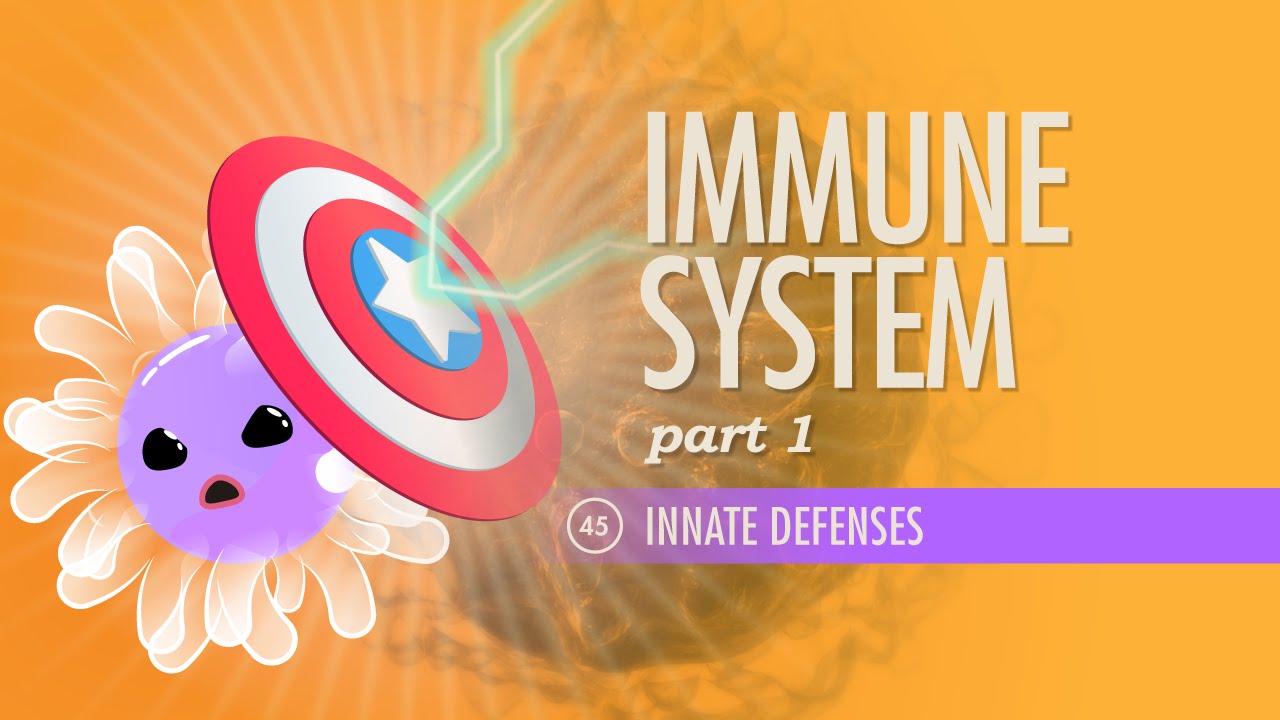
Image result for crash course anatomy
Photo Retrieved from Youtube channel: CrashCourse
The biggest textbook you will ever have is staring you right in the face: Youtube! While some of the videos on here can be questionable, Youtube serves as a great way to learn more about the subject you are learning. One of my favorite resources for a general overview of the different systems is CrashCourse. These helpful little videos are narrated by the popular author, John Green. If you want a good chuckle as you study, or just need a break from the intense information in your textbook, check out his videos! Another way YouTube has helped me with this class is pronunciation! One of my biggest fears with Anatomy lab was that I would pronounce a bone or projection completely wrong. Channels like EmmaSaying will help you with any words that you are not sure on. Khan Academy has plenty of detailed videos that are especially helpful with physiology. They have their own website, but they also post many of their medical-related videos, like the physiology of the heart, here! 

Acronyms and Mnemonics!


When learning both anatomy and physiology, acronyms and mnemonics are extremely helpful. For example, there are so many cranial nerves that it is extremely hard to remember them all without a mnemonic. On a side-note, in college, G-rated mnemonics created by students are rare. So I will probably not post many of them (I would love to share some if you ask, though!). One of the more PG-rated ones that I made up was to determine if the cranial nerve was sensory, motor, or both. It goes: Some Say Money Matters, But My Baby Says Big Butts Matter Most. This goes from cranial nerve 1 to 12, and obviously S is for sensory, M is for motor, and B is for both. I tweaked an existing mnemonic so that it would stick in my brain a bit better. Simply look up a mnemonic or acronym for the subject you are learning, and apply your own words to it. This will help you remember it a bit better.

Coloring Books!

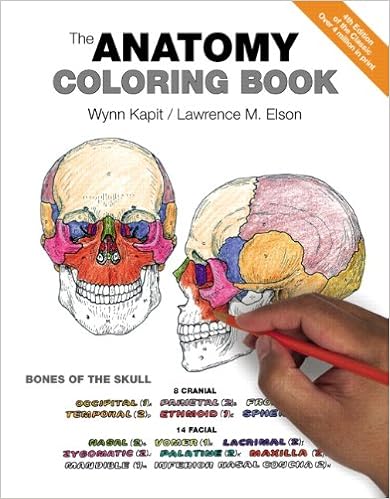
Image result for anatomy coloring book
Anatomy coloring book from Amazon.com

I did not necessarily use this in college, but I did use these in high school when I was first learning anatomy and physiology. If you have never taken an anatomy and physiology class, then I highly recommended using these resources! They make learning fun and less stressful, but also help you learn a lot along the way. The coloring books by Wynn Kapit are reportedly the best out of all, and these are the ones I used. There is an anatomy book and a physiology book. The publisher also makes other subjects, like microbiology! So if this resource helps you, definitely look into the other subjects. If you are looking for one or two pages to color, look up "(Your Subject) Coloring Pages" on google, and print some of the free ones offered. I will warn that some of the free ones have been found to be inaccurate and outdated.

I hope that some of these non-traditional and fun approaches to studying will help you better understand anatomy and physiology. I got A's and B's in all of my anatomy and physiology classes using mainly these study methods.

--

Have any other great study methods? Any questions or requests for additional resources? Let me know in the comments! Have a wonderful day, and happy studying! 💜

Tuesday, December 13, 2016

How to Work Part-Time and still be a Full-Time Student.

Unfortunately, even with my scholarships and loans, my tuition is still not fully covered. I generally have around $1000-2000 in out of pocket payments that I make to the school per semester. Plus, I own a motorcycle and I pay for my own insurance on it. My family has blessed me with covering a lot of other outside costs, and this has really helped me financially. However, I still work part-time year round. Working even just part-time while being a full-time college student is the biggest challenge I have ever faced in my life. Here is a list of great tips on working 20-40 hour weeks on top of class, studying, and social time to help you get through it. Enjoy!

Make Sure Your Employer Will Work With You!


Take it from me, working with an employer who believes work is your number one priority is the worst. It will negatively impact your grades, social life, and stress levels! If you are starting a new semester, let your current employer know as soon as you know what your schedule is. Then work with them on creating a schedule that you can work with. They will greatly appreciate the heads up and the help. Your manager cannot read your mind! Do not make your manager guess what days are good for you, and then get upset when it is not what you wanted.
If you are currently applying for jobs, ask before accepting the job what shifts are available and explain that you are a full time student. You should not be worried about this information impacting the job offering. If they choose not to hire you because of your limited availability, do not get disheartened.  It is in your best interest too! You do not want to be in a situation where you cannot afford school because they do not give you any hours. Getting a good work-school schedule requires being proactive and working with your employer.

Organize Your Day!


I am not a scheduling type of person. However, it is extremely important working part-time and going to school that you create a detailed schedule of your life. This could include making a "To-Do" list, using a scheduling app like Cozi, or just making a schedule in your head. Do not be simple with it. Make it as detailed as possible! For example, instead of saying "go to work, study, eat, sleep", write "Go to work 9AM to 2PM, study Pathophysiology with notecards, complete Microbiology study guide, eat within 30 minute break, look over Anatomy notes, sleep at least nine hours like every college student." This will organize your life and create goals for your day. A study done on productivity tools found that planners and schedules increased productivity and helped provide a feeling of self-fulfillment and pride (Leshed & Sengers, 2011). Scheduling will allow you to increase the productivity and fulfillment of your day. 

Stay Within Your Limits!


Remember, when accepting a job or scheduling with your manager, that you are a human being with human needs. Do not put yourself up to mental and/or physical exhaustion, lack of a social life/fun, or lack of hygiene. This could lead to serious problems like physical and/or mental illness, or losing friendships. In other words, do not accept a 40 hour per week night shift job, get four hours of sleep per night, go to school, and repeat. Remember that life is not all about work! Let yourself have a social life, and do things you want to do. Studying can wait a few hours. That does not mean attend social events every day instead of studying. It just means that you have to do YOU too! Make sure to set limits for studying, work, and social life so that you get the most out of your time.

Enjoy What You Do!


When you are a full time student and a part time employee, life can get stressful. You may not want to go to work some days and you may want to quit school on others. That is completely normal! However, when this happens every single day, there is a problem. You really need to enjoy what you are learning and what you are doing for a living, because this is what the majority of your time is going towards. Suicide is the leading cause of death in college students. Between 2004 and 2009, around 700,000 undergraduate and graduate students committed suicide and died. This study shows that stress and depression are the major factors that caused this to occur. It also states that a major protective factor for suicide is enjoying school and work (SRPC, 2014). Do not allow your lack of enjoyment ruin your mental health. Find your passion in school and in work! If you do not like your major, change it! If you do not like your job, change it! Do not worry about how it will look on your resume, because it does not matter if you are not enjoying your time on this planet. Enjoy what you do with your life!

Working part time and being a full time student is hard. Yet, it is not impossible! You can do this!

--

Do you have any tips for surviving work and school? Suggestions on how I can better help you? Let me know in the comments! I would be happy to help! Also, I will be posting bi-weekly from now on, as school and work is getting busy! (I am staying within my limits and organizing my days! ;D) Have a wonderful day! 💜

References

Leshed, G & Sengers, P. (2011). "I lie to myself that I have freedom in my own schedule": Productivity tools and experiences of busyness. ACM. pg. 905-914. Retrieved from http://dl.acm.org/citation.cfm?id=1979077

SRPC. (2014). Suicide among college and university student in the United States. Suicide Prevention Resource Center. Retrieved from http://www.sprc.org/sites/default/files/migrate/library/SuicideAmongCollegeStudentsInUS.pdf

Tuesday, December 6, 2016

That Time I *Almost* Missed My A&P Final!

Winter finals are just around the corner. If you are anything like me, these next few weeks will be filled with sleep deprivation, a billion cups of coffee, and notes scattered around your desk. I decided that instead of overloading brains with more information, I would tell you a funny experience about one of my finals last semester.


It was the Spring 2016 semester when I had Anatomy and Physiology II. Finals week was in full swing and my brain was running only on three cups of coffee. Right before the class, I got together with one of my good friends for lunch. We put in some last minute study time for about an hour before heading to our class. Normally, I went in through the east side of the building, but I followed my friend through the west side this time. She went off to the bathroom and told me that she would meet me in class, so I went on.... I had my review guide written on my phone, so I was studying as I walked down the hall to the class. I let muscle memory kick in and I went in to the first class on the right as I usually do. I went to my seat, memorizing the types of hormones released by the anterior pituitary gland. After a while, I looked up to see two students putting a makeshift straw-candle in a cookie they got from the student union. A guy walked up and they whisper-shouted "Happy Birthday!! We can't light it, obviously, but make a wish!" They all laughed. That is about the time that I realized that there were three more minute left until the exam and my friend was still nowhere to be found. I just ignored it and went back to my studies. 

When I looked back up, it was five minute in to the class. That was weird. I took a deep breath and slipped my phone into my backpack. My professor was still not there. In fact, neither my professor or my Teacher's Assistant was there. The new professor started passing out the tests and I shrugged. Maybe my professor was sick and my Teacher's Assistant was out too? I took a second to close my eyes and take three deep breaths. When I opened them, I looked down at the test that was put in front of me. What the heck was this?! I did not recognize a single thing on this test! I looked around at the others in a panic.

That is when it hit me.

I did not recognize a single person in this class. The Teacher's Assistant was not the same. My professor was not the same. I turned to the girl next to me to ask which class this was.

"Uhh. Biochemistry?"

Without saying a word, I grabbed my bag and ran down the steps and out the door, in front of two hundred or more students staring at me. I had gone to the first door on the right like I usually do, yes, but I went in on the other side of the building! At this point, twenty minutes of my class had passed already. I burst into the room and all of my classmates stared at me at once. But I did not care. I ran to my professor and dropped my bag on the floor. I started to explain, but he just held his hand up. "It's fine. Just be more quiet." I snatched the test from his hands and ran to my seat.

I had twenty more minutes left to take this forty question final. Yet, by some miracle of God, I finished with two minutes to spare. It took everything in me to hold back the laughter until I handed in the test. After the TA walked away from me with my exam, I just started busting up laughing. Now, we get a zero if we look anywhere but down at your test or up at the ceiling. So I just started looking straight up at the ceiling, laughing and crying to myself like a frickin' maniac, because I just walked into the wrong class and did not realize it for a whole twenty minutes on finals day...

Luckily, and I am not sure how, I got a 92% on that exam. The moral of the story is this: do not be frightened these next few weeks as you go into these finals! You definitely cannot screw up as much as I did last semester.

Good luck, everyone!

-----

Do you have any funny finals and test stories? What else can I do to make your college life less stressful? Let me know in the comments! Also, as of next week, I will be switching to bi-weekly posts. :) Have a wonderful day! 💜

Tuesday, November 22, 2016

New Year's Resolution

I will be honest. Especially in the light of recent national events, I have become a serious abuser of the "Facebook Rant". It is just so easy to spew out garbage that nobody actually cares about online just to make myself feel better. The world of emerging adulthood has made me a complainer of things that cannot be changed. Another thing it has changed about me is that I jump into things quicker and earlier! Point in case: I have already started to put together my new year's resolution plan . . . a whole month early! My first resolution is an effort to change this bad habit of mine: No more complaining!

Step 1: Make a blog of all of the good stuff in my life and maybe even help people along the way!!! 😊

I have plenty of great and/or helpful ideas, funny stories, and more to share with you every other week! But first, let me tell you a little bit about myself. My name is Jenna Speight. I am a young adult from a small town who found herself doing great, big things. My aspirations and goals in life are huge. I am currently going into my Junior year at Grand Canyon University to get my Bachelor's of Science in Nursing. For now, I hold the proud title of "SN", or Student Nurse. However, I hope to one day become a NP, or Nurse Practitioner.

My life is not that exciting all of the time. (Nursing school is not too glamorous or social.) However, it does have its moments! I hope that this blog can be helpful, funny, interesting, or relaxing for you and many others! I aim to post something every week for the first month or so, and then switch to every other week regularly. Although my life can sound organized, it is a lot of work, and I hardly ever have time to myself. So please forgive me in advance if I do not stay true to that posting promise!

Next week, I will give you a little idea of how to put together a New Year's resolution plan that will last!

Thank you! And have an amazing Thanksgiving!

-Jenna Speight, SN.